
Frequently Asked Questions
About Powerhouse
What is Powerhouse Sports NH?
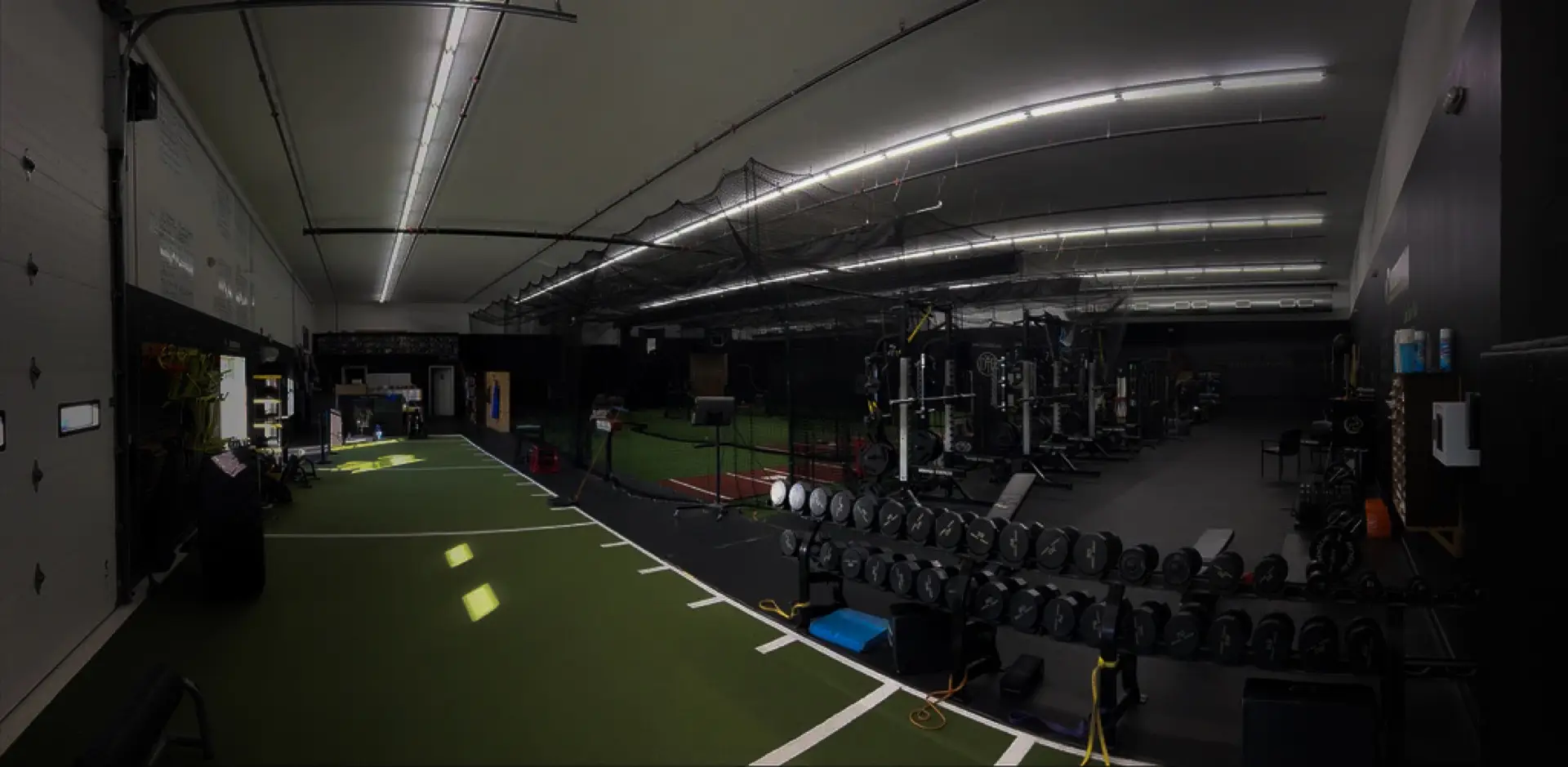
Powerhouse Sports NH is a baseball and softball training facility in Seabrook, New Hampshire. The gym provides individualized hitting, pitching, and sports performance programs for athletes from youth through pro. Sessions are one-on-one or small-group rather than large class-based, with personalized assessment and follow-through. Powerhouse athletes have produced 17 pro players, 150+ college commits, and 60+ all-state selections.
Where is Powerhouse Sports NH located?
Powerhouse Sports NH is located at 920 Lafayette Road, Unit 103, Seabrook, NH 03874. The facility serves the Seacoast New Hampshire region, including southern New Hampshire, northern Massachusetts, and southern Maine. Phone: (603) 814-1415. Email: info@powerhousesportsnh.com.
What ages and levels does Powerhouse Sports NH train?
Powerhouse trains athletes across all ages and levels: youth (under 13), middle school, high school, college, and professional. Programs are organized by skill level and goal rather than age alone, and assessments are personalized so each athlete trains at the right level of challenge.
Hitting
How do I develop better Bat Speed and hit balls harder/farther?
Building strength and power is key to maximizing bat speed, but it's not just about pure strength. The ability to create rotational speed and efficient movement elevates potential. Training includes overload/underload bat work, movement preparation, medicine ball exercises, balance training, and bracing techniques.
How much should I be hitting? Off Season and in Season?
College and pro players train six days weekly with practice reps exceeding game reps. Recommendations: 3 to 4 hitting sessions weekly during offseason plus typical practice sessions, 2 to 3 additional sessions in-season. Quality practice with game-simulating drills matters more than volume.
How do I translate cage skills to field performance?
Players need preparation for game demands through variation training: exposure to different shapes, speeds, and angles. Success requires balanced mechanics, tempo, rhythm, visual processing, reading release points, live at-bat experience, and mental confidence.
Should I focus only on baseball for college? What showcases matter?
Success depends on individual priorities and readiness. Passing the eye test and showing strong outputs are key for getting noticed. Multi-sport athletes gain athleticism benefits, but baseball-specific development requires prioritizing strength training, conditioning, and skill work over excessive game play.
Why does strength training matter for hitters?
Strength training is crucial for hitters. Key areas include: rear leg (generates potential energy), lead leg (braces for energy transfer), core & pelvis (stability and rotation), lead arm & shoulder (bat control), rear arm & shoulder (acceleration), chest (acceleration enhancement), forearms (bat control, energy transfer), and mobility (ankle, hip, thoracic spine flexibility).
Pitching
What is different about this pitching program?
Every player receives personalized assessment and programming by Alex Powers. The coaching style avoids "set it and forget it" approaches. Coaches work directly with each pitcher to guide them toward self-coaching mastery while providing guardrails for development.
What do players receive?
Detailed programming from warmup through pitching phases. A 16-week program in 4 phases: Ramp up, Velo phase, Blend phase, Mound phase. Arm care tracking via Armcare app. Pitch tracking via Trackman.
Strength & Conditioning
Should I be lifting in-season?
In-season weightlifting is often overlooked, yet it's essential for boosting performance, preventing injuries, and maintaining fitness. Benefits extend beyond strength preservation to overall physical, mental, and emotional development.
When should my child start working out?
Strength training at young ages improves athletic skills, prevents injuries, enhances mental well-being, and creates social connections. Done correctly, it prepares athletes for immediate success and lifelong health.
Why train with a coach instead of working out independently?
Certified strength coaches optimize training through expertise, safety assurance, motivation, and personalized programs tailored to individual needs, promoting long-term athletic success.
Why is offseason training important?
Offseason training is crucial for athletes, setting the stage for improved performance, injury prevention, and long-term success. It addresses muscle imbalances, enhances joint stability, develops skills, builds mental resilience, and corrects weaknesses.
Youth Athletes
Why should youth athletes lift?
Weight room training develops body awareness and coordination in controlled environments, strengthens muscles for sport demands, and prevents injury-related breakdowns.
Should young players be two-way instead of specializing?
Young players benefit from versatility training across all positions, opening more opportunities as they develop rather than early specialization.
Should athletes prioritize skills or strength training?
Ideally, players should focus on both skill development and strength training. Balance is essential. Skill work builds motor control and hand-eye coordination while strength training accelerates development and reduces overuse injuries.